
Mumbadevi Temple: The Divine Namesake of Mumbai
If you want to understand where Mumbai gets its soul—and its name—you must visit the Mumbadevi Temple. Tucked away in the narrow, bustling lanes of Zaveri Bazaar, this ancient shrine is dedicated to Goddess Mumbadevi, the patron deity and protector of the city. While the surrounding area is a whirlwind of gold traders and spice markets, the temple remains a calm spiritual anchor for millions of Mumbaikars.
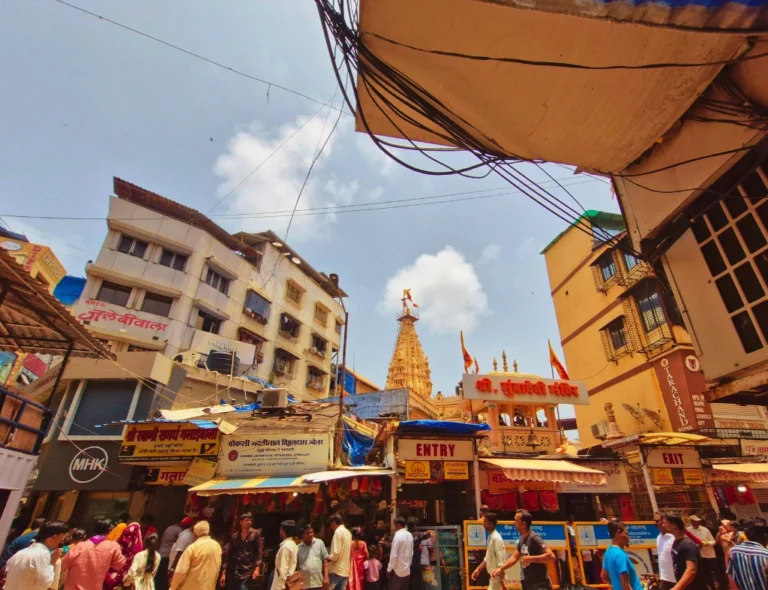
1. Introduction & Location Overview
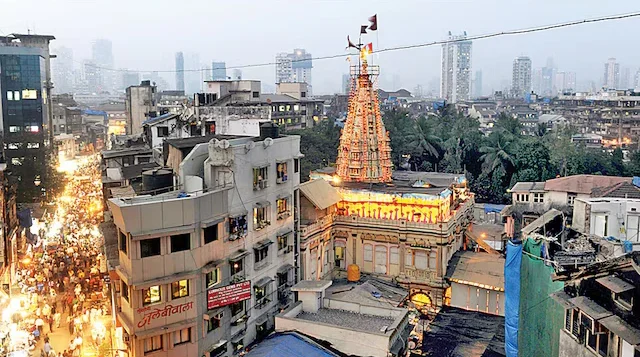
The Mumba Devi Temple is located in Bhuleshwar, South Mumbai, specifically in the heart of the Zaveri Bazaar (the city’s famous jewelry market).
The temple is the spiritual heart of the Koli (fisherman) community, the original inhabitants of Mumbai. Its location in one of the oldest and most crowded parts of the city provides a raw, authentic glimpse into Mumbai’s deep-rooted traditions.
2. Why This Heritage Site Is Famous
- The City’s Namesake: The name “Mumbai” is officially derived from Mumba (the Goddess) and Aai (meaning “Mother” in Marathi).
- Patron Deity: She is considered the “Gramadevata” (village goddess) who protects the city from sea-borne disasters and provides prosperity.
- Ancient Origins: It is one of the oldest shrines in the city, with a history spanning over six centuries.
- The “Mouthless” Goddess: The main idol is unique because it is depicted without a mouth, symbolizing the silent, patient power of Mother Earth.
3. Detailed History of the Heritage Site
The history of Mumbadevi Temple is a story of the city’s growth.
- Original Location: The first temple was built in the 14th century at Bori Bunder (near where the Chhatrapati Shivaji Maharaj Terminus stands today).
- The Shift: In 1737, the British government moved the temple to its current location in Bhuleshwar to make room for the expansion of the city’s fortifications and the railway.
- The Legend: Mythology tells of a demon named Mumbaraka who terrorized the locals. Lord Brahma sent an eight-armed goddess to defeat him. After his defeat, the demon asked for forgiveness and requested that a temple be built in the goddess’s name—hence, Mumbadevi.
4. Architecture & Design Details
The temple is a beautiful example of traditional Hindu temple architecture, specifically reflecting Gujarati and Rajasthani influences common in the merchant districts.
- The Spire (Shikhara): A grand, high spire topped with a vibrant red flag that can be seen from the narrow streets below.
- The Idol: The goddess is carved from black stone, her face painted orange. She is adorned with a silver crown, a golden necklace, and a nose stud.
- Symbolic Vahanas (Vehicles): In front of the shrine stands a fierce tiger, the carrier of the goddess. Interestingly, her silver “vahana” is changed daily (e.g., Nandi Bull on Mondays, Elephant on Tuesdays).
- Inner Shrines: The complex also houses smaller temples dedicated to Lord Ganesh, Hanuman, and Goddess Annapurna (seated on a peacock).
5. How to Reach the Heritage Site
The temple is located in a very congested area, so public transport is highly recommended.
- By Local Train: * Marine Lines Station (Western Line): About 1.5 km away (best for a short taxi ride).
- Charni Road Station (Western Line): Also a convenient 10-15 minute walk or cab ride.
- Masjid Bunder (Central/Harbour Line): A short walk through the markets.
- By Taxi/Auto: Taxis can get you close, but they may have to drop you at the entrance of the market lanes because the streets are too narrow for cars.
- From the Airport: It is roughly 22 km from the airport. Expect a 1-hour drive due to South Mumbai traffic.
6. Entry Fees, Timings & Permissions
- Entry Fee: Free for everyone.
- Timings: Generally open from 6:30 AM to 9:00 PM.
- Important Note: The temple is traditionally closed on Mondays.
- Aarti Schedule: * Morning Aarti: ~7:00 AM
- Evening Aarti: ~7:00 PM or 8:00 PM
- Photography: Strictly prohibited inside the inner sanctum. You may take photos of the exterior and the surrounding market life.
7. Best Time to Visit
- Best Months: October to March (the cooler winter months).
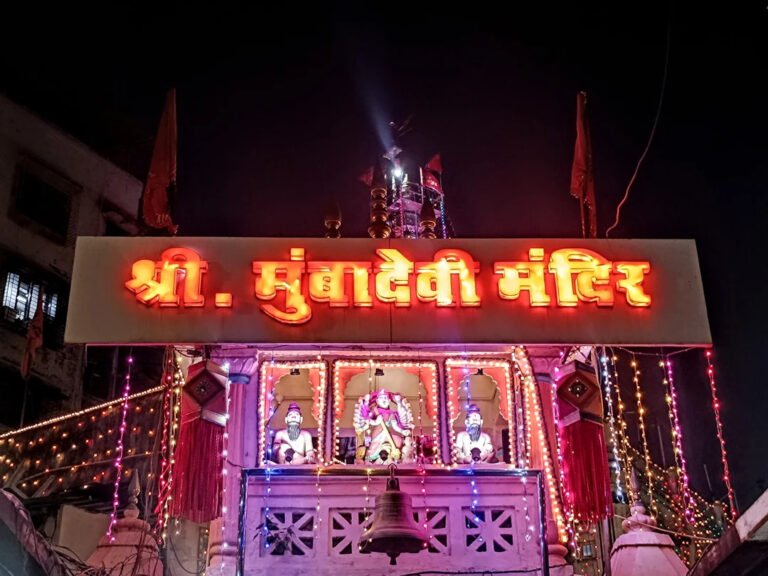
- Navratri Festival: This is the most vibrant time to visit. The 10-day festival sees the temple decorated with thousands of flowers and lights, though it becomes extremely crowded.
- Best Time of Day: Early morning (before 8:00 AM) for a peaceful darshan before the markets fully open and the heat rises.
8. Things to See at the Heritage Site
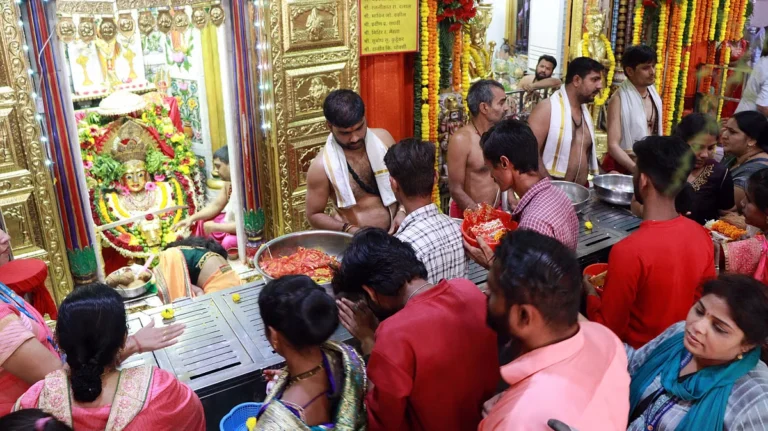
- The Main Sanctum: Witness the beautifully bejeweled idol of Mumbadevi.
- The Daily Aarti: The rhythmic chanting and the smell of incense create a powerful spiritual atmosphere.
- Zaveri Bazaar: The lanes leading to the temple are filled with shops selling religious items, copper plates, and idols.
- The Crowd of Devotees: Observing the deep faith of the local Koli fishermen and merchants who visit daily.
9. Things to Do Near the Heritage Site
- Shopping at Zaveri Bazaar: Explore one of India’s largest gold and silver markets.
- Crawford Market: A 10-minute walk to see the historic Victorian-style fruit and pet market.
- Chor Bazaar: Visit the “Thieves’ Market” for unique antiques and vintage finds.
- Street Food: Try local favorites like Vada Pav and Jalebi from the stalls in Bhuleshwar.
10. Cultural Importance & Visitor Experience
Visiting Mumbadevi is a sensory experience. You will hear temple bells ringing against the backdrop of market traders shouting. It represents the “Old Mumbai”—a place where religious devotion and commercial grit live side-by-side. For a tourist, it is the best place to understand the city’s identity beyond the colonial monuments.
11. Safety Risks & Things to Be Careful About
- Pickpockets: The Zaveri Bazaar area is extremely crowded. Keep your wallet and phone in front pockets or a secure bag.
- Traffic & Crowds: The lanes are very narrow. Be prepared for a lot of pushing and shoving, especially on weekends and festivals.
- Scams: Ignore anyone offering “fast-track” entry for money; the temple is free and everyone waits in the same queue.
12. Safety Precautions
- Dress Modestly: As it is a sacred site, cover your shoulders and knees.
- Remove Footwear: You must leave your shoes at a designated counter outside the temple (usually for a small tip of ₹5-10).
- Stay Hydrated: The market area can get very hot and humid.
13. Things to Carry Before Visiting
- Small Change: For donating at shrines or paying for shoe storage.
- Water Bottle: Necessary for navigating the busy streets.
- Modest Attire: A scarf or shawl is useful for women.
- ID Proof: Sometimes required for security checks during high-alert festival days.
14. Travel Tips
- Walk through the Markets: Instead of taking a taxi all the way, walk from Marine Lines station through the cloth and jewelry markets to get the full “Mumbai” experience.
- Register Online: During peak festival seasons, check the Official Website as they sometimes require pre-registration for darshan.
- Combine with CSMT: Since it’s only 2 km away, visit Chhatrapati Shivaji Maharaj Terminus after your temple visit to see the site where the temple originally stood!
Forget the hassle and choose CABTAN—Mumbai’s most punctual and affordable cab service. Our trained drivers ensure a safe, reliable, and completely worry-free journey. Fill out the form below to book your ride now.