
Bombay High Court: A Grand Pillar of Mumbai’s Heritage
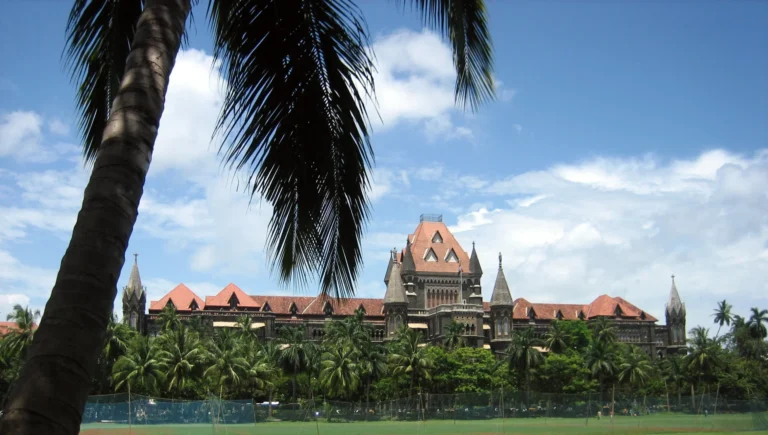
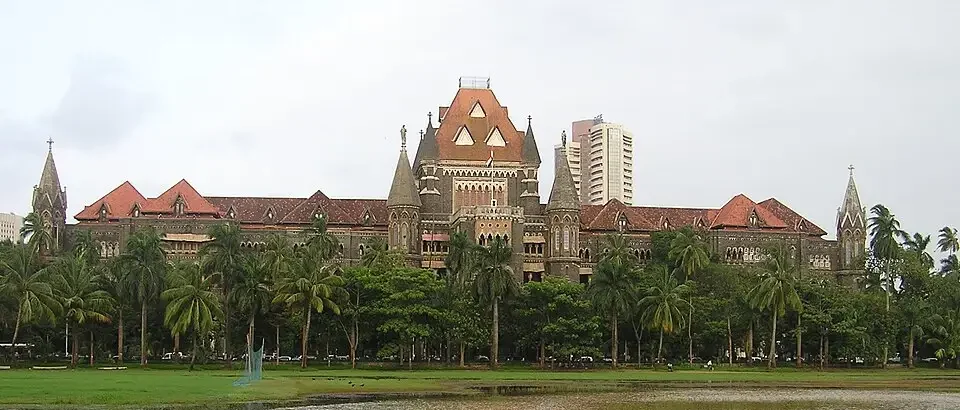
If you walk past the lush green Oval Maidan in South Mumbai, you will see a massive, dark-stoned building that looks more like a grand German castle than a courthouse. This is the Bombay High Court, one of the oldest and most distinguished high courts in India. As a key part of Mumbai’s UNESCO World Heritage ensemble, it is a place where history, law, and breathtaking architecture meet.
1. Introduction & Location Overview
The Bombay High Court Mumbai is located in the Fort area of South Mumbai, standing proudly on Karmaveer Bhaurao Patil Marg. It is situated directly opposite the Rajabai Clock Tower and the University of Mumbai.
This heritage site is the judicial heart of Maharashtra and Goa. While it is a very busy working court today, its historic walls tell the story of Mumbai’s evolution under British rule and its journey into modern India. Its central location makes it an essential stop for anyone exploring the city’s colonial-era landmarks.
2. Why This Heritage Site Is Famous
The Bombay High Court is famous for several reasons:
- Historical Legacy: Established in 1862, it is one of the three oldest High Courts in India.
- UNESCO Recognition: It is a vital part of the Victorian Gothic and Art Deco Ensembles of Mumbai, which were collectively named a UNESCO World Heritage site in 2018.
- Architectural Grandeur: It is a prime example of the 19th-century Gothic Revival style.
- Legal History: Many of India’s greatest freedom fighters, including Bal Gangadhar Tilak and Mahatma Gandhi, have walked these corridors or faced trials within these courtrooms.
3. Detailed History of the Heritage Site
The history of the High Court of Bombay began with the High Courts Act of 1861. The court was officially inaugurated on August 14, 1862. However, the current grand building we see today was not completed until 1878.
The building was designed by Colonel James Augustus Fuller of the Royal Engineers. It was built during a time when the British were transforming Mumbai (then Bombay) into a “Urbs Prima in Indis” (The First City of India). Over the years, the court has expanded its jurisdiction, and today it serves as a symbol of justice and the rule of law for millions. Even after the city was renamed to Mumbai, the court retained the historic name Bombay High Court.
4. Architecture & Design Details
The Bombay High Court is a masterpiece of Victorian Gothic architecture.
- Style: It was inspired by early English-style castles, giving it a very solid and imposing look.
- Materials: The exterior is built using black basalt stone, which gives it a dark and powerful appearance.
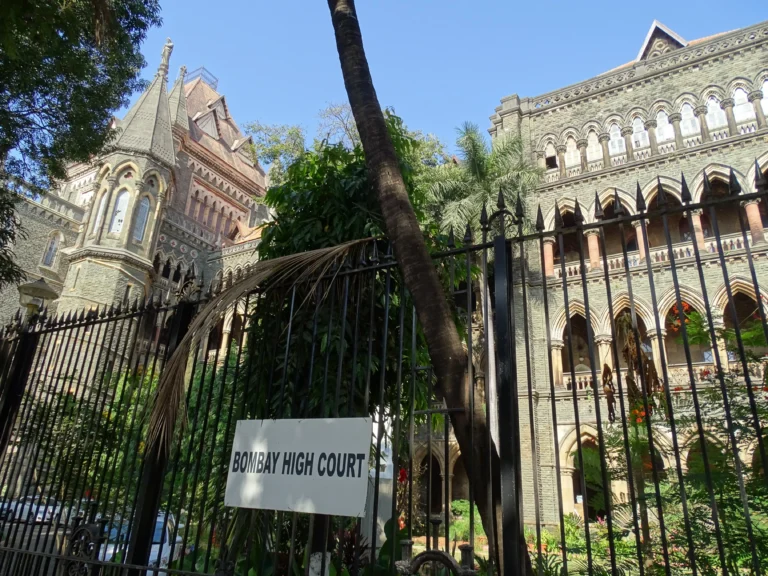
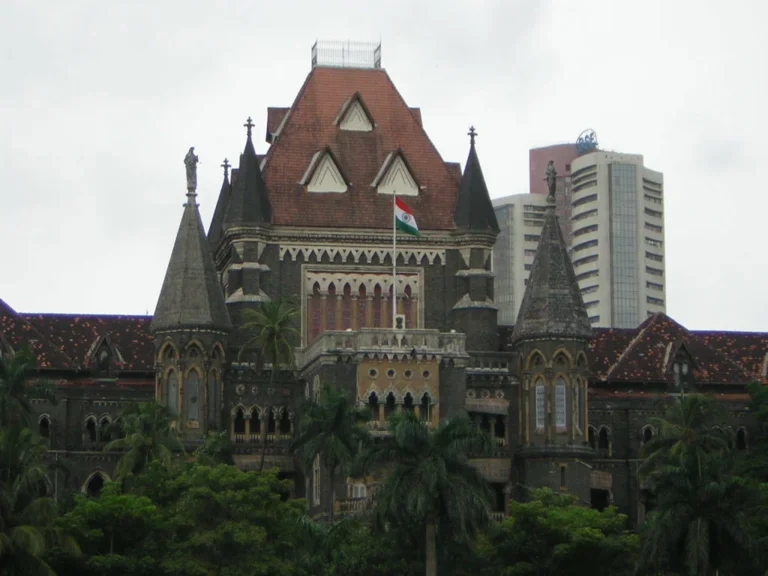
- The Facade: Look up at the gables to see statues of Justice (holding scales) and Mercy.
- Unique Features: The building is decorated with interesting stone carvings of animals and birds. On the western side, there are grand stone staircases and massive towers that dominate the skyline near the Oval Maidan.
5. How to Reach the Heritage Site
Getting to the Mumbai High Court is easy because it is located in the city’s main heritage district.
- By Local Train: The nearest station is Churchgate (Western Line), which is just a 10-minute walk away. You can also get off at CSMT (Central Line) and take a short taxi ride.
- By Taxi / Cab: Ask any taxi driver for “High Court” or “Fort High Court”.
- By Bus: Many BEST buses stop at Hutatma Chowk (Flora Fountain), which is a 5-minute walk from the court.
- From Airport: It is about 25 km from the Mumbai International Airport. The fastest way is via the Eastern Freeway.
6. Entry Fees, Timings & Permissions
- Entry Fee: There is no fee to view the building from the outside. However, the Bombay High Court Museum may have a small entry fee for visitors.
- Court Timings: The court typically functions from 10:30 AM to 4:30 PM on working days.
- Museum Timings: The museum is usually open from 11:00 AM to 5:00 PM (closed on weekends and public holidays).
- Permissions: Since this is a high-security government building, visitors must pass through security checks. You may be asked for a valid photo ID.
7. Best Time to Visit
- Best Months: November to February is the most pleasant time for walking tours in South Mumbai.
- Best Time of Day: Early morning (8:00 AM – 10:00 AM) is best for photography before the court starts its daily rush.
- Evening View: Seeing the building illuminated at night from across the Oval Maidan is a beautiful sight.
8. Things to See at the Heritage Site
- The Exterior Stone Work: Look for the detailed carvings of animals and mythical creatures on the pillars and arches.
- The Main Entrance: A grand, arched entryway that leads into the historic corridors.
- Bombay High Court Museum: This is the best museum in Mumbai for law lovers. It displays rare legal documents, old maps of the city, and even the original wig and gown used by judges in the past.
- The Central Tower: An 188-foot tall tower that is a landmark of the Fort district.
9. Things to Do Near the Heritage Site
The court is in the middle of many other heritage sites in Mumbai:
- Rajabai Clock Tower: Right next door, this is one of Mumbai’s most beautiful towers.
- Oval Maidan: Cross the street to watch a game of cricket with the Gothic buildings as your background.
- Flora Fountain: A short walk to see the historic white stone fountain.
- The Asiatic Society: Visit the white-pillared library just a few minutes away.
10. Cultural Importance & Visitor Experience
The Bombay High Court is more than just a place for law; it is a symbol of Mumbai’s civic pride. For visitors, the experience is a mix of quiet respect and historical awe. Watching lawyers in their black robes rushing through the grand corridors gives you a sense of the “real” Mumbai—a city that never stops working.
11. Safety Risks & Things to Be Careful About
- High Security: Because it is a working court, security is very strict. Avoid carrying large bags or prohibited items.
- Photography Restrictions: You can photograph the building from the outside, but photography inside the courtrooms or near security areas is strictly forbidden.
- Crowds: The area can get very crowded with lawyers and litigants during the day.
12. Safety Precautions
- Carry ID: Always carry a valid photo ID if you plan to enter the court premises or the museum.
- Silence: Maintain silence inside the building as court proceedings are often in session.
13. Things to Carry Before Visiting
- Photo ID: Essential for entry.
- Water Bottle: South Mumbai can be hot and humid.
- Walking Shoes: The area is best explored on foot.
- Camera: To capture the Victorian Gothic Mumbai architecture from the public roads.
14. Travel Tips
- Museum First: Start your visit at the Bombay High Court Museum to get the full context of the building’s history.
- Photography Spot: The best photo of the entire building is from the far side of the Oval Maidan, where you can fit the towers into one frame.
- Respect the Law: Remember that this is a place of serious work; avoid blocking pathways or making loud noise.
Forget the hassle and choose CABTAN—Mumbai’s most punctual and affordable cab service. Our trained drivers ensure a safe, reliable, and completely worry-free journey. Fill out the form below to book your ride now.