
Elephanta Caves: A Journey to Ancient Stone Marvels
If you are looking to escape the hustle of the city and step back in time, a trip to the Elephanta Caves is a must. Located on a quiet island in the middle of the Arabian Sea, these ancient rock-cut temples are a stark contrast to the modern skyscrapers of Mumbai. As a UNESCO World Heritage site, they represent some of the most impressive religious art and architecture in India.
1. Introduction & Location Overview
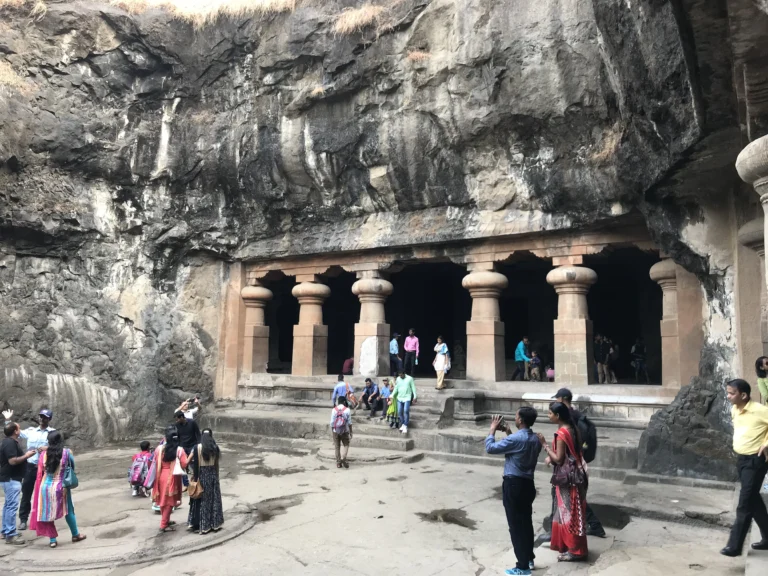
The Elephanta Caves are located on Elephanta Island (also known as Gharapuri), which is about 10 kilometers east of the Mumbai harbor. While the caves are physically separated from the mainland, they are considered one of the most important heritage sites in Mumbai.
To get there, you must take a ferry from the Gateway of India. The journey across the sea offers a unique perspective of Mumbai’s skyline before you arrive at the lush, green hills of the island where the caves are hidden.
2. Why This Heritage Site Is Famous
The Elephanta caves Mumbai India are world-renowned for several reasons:
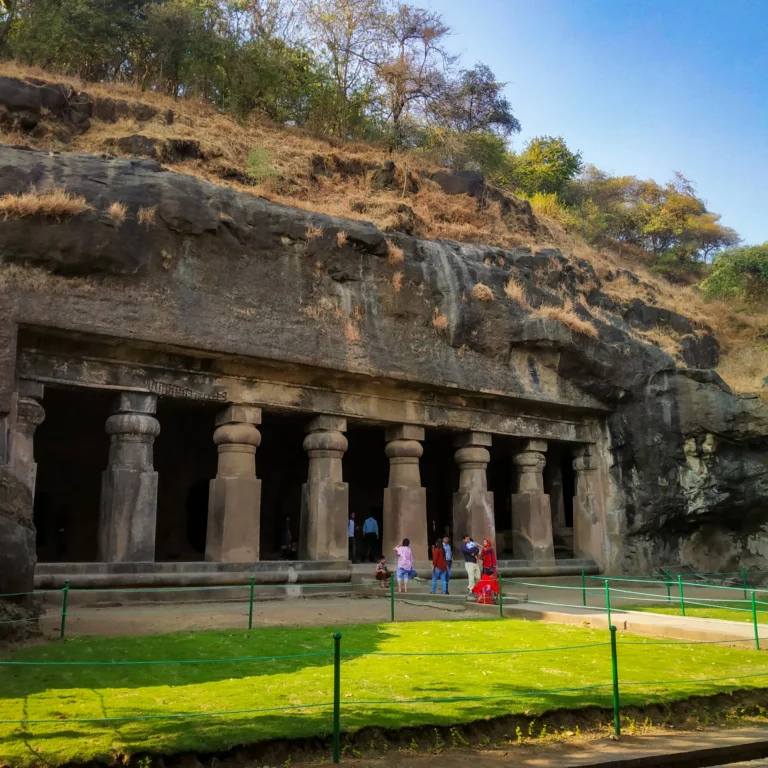
- Ancient Rock-Cut Architecture: The entire temple complex is carved directly into solid basalt rock.
- Lord Shiva Sculptures: The caves are home to massive, detailed sculptures dedicated to Lord Shiva, the most famous being the three-headed “Trimurti”.
- UNESCO World Heritage Status: Recognized for their artistic and cultural value, they are protected as a global treasure.
- The Ferry Experience: For many tourists, the hour-long boat ride from the city is as much a highlight as the caves themselves.
3. Detailed History of the Heritage Site
The exact origins of the Elephanta caves sculpture and temples are still debated by historians, but most believe they were created between the 5th and 7th centuries AD. They are thought to have been commissioned by the rulers of the Konkan Mauryas or the Kalachuri dynasties.
The island was originally called Gharapuri (meaning “City of Caves”). The name “Elephanta” was given much later by 16th-century Portuguese explorers who found a massive stone elephant statue near the island’s landing point. While the Portuguese damaged some of the sculptures during their time, the core beauty of the main cave remains intact, serving as a powerful reminder of India’s golden age of art.
4. Architecture & Design Details
The caves are a masterclass in ancient engineering:
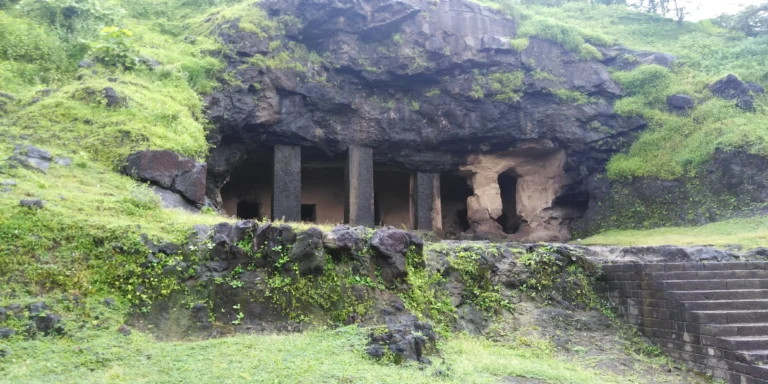
- Style: The caves follow a classic Brahmanical rock-cut style, where architects carved downwards and inwards into the hill.
- The Main Cave: Cave 1 is the most spectacular. It is a large pillared hall with several shrines and massive carved panels.
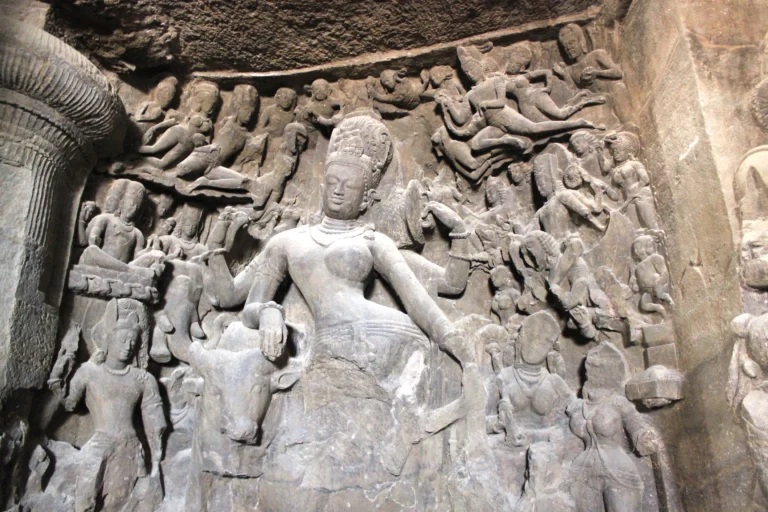
- Trimurti Sculpture: This 20-foot-high masterpiece depicts Shiva as the Creator, Preserver, and Destroyer. It is considered one of the finest examples of Indian sculpture.
- Symbolism: Every carving tells a story from Hindu mythology, such as the marriage of Shiva and Parvati or the descent of the River Ganges.
5. How to Reach the Heritage Site
Reaching the island is part of the adventure:
- Step 1: Get to Gateway of India: Take a local train to Churchgate or CSMT, followed by a short taxi ride to the Gateway.
- Step 2: Take the Ferry: Ferries leave from the Colaba gateway of India jetty every 30 minutes starting from 9:00 AM.
- Step 3: The Toy Train: Once you reach the island’s pier, you can walk or take a fun “toy train” to the base of the hill.
- Step 4: The Climb: You will need to climb about 120 steps to reach the cave entrance. For those who cannot walk, “palkis” (wooden chairs carried by locals) are available for a fee.
6. Entry Fees, Timings & Permissions
- Elephanta caves tickets: There are separate charges for the ferry (approx. ₹200–₹250 round trip) and the entry to the caves.
- Indian Citizens: Approx. ₹40.
- Foreign Tourists: Approx. ₹600.
- Elephanta caves timing: The first ferry leaves at 9:00 AM, and the last ferry back from the island is usually around 5:30 PM.
- Important Note: The caves are closed on Mondays.
7. Best Time to Visit
- Best Months: November to February is ideal. The sea is calm, and the weather on the island is pleasant.
- Monsoon Warning: During the heavy rains (June to September), ferry services are often suspended or restricted due to rough seas.
- Time of Day: Aim for the first ferry at 9:00 AM. This allows you to explore before the afternoon heat and the largest crowds arrive.
8. Things to See at the Heritage Site
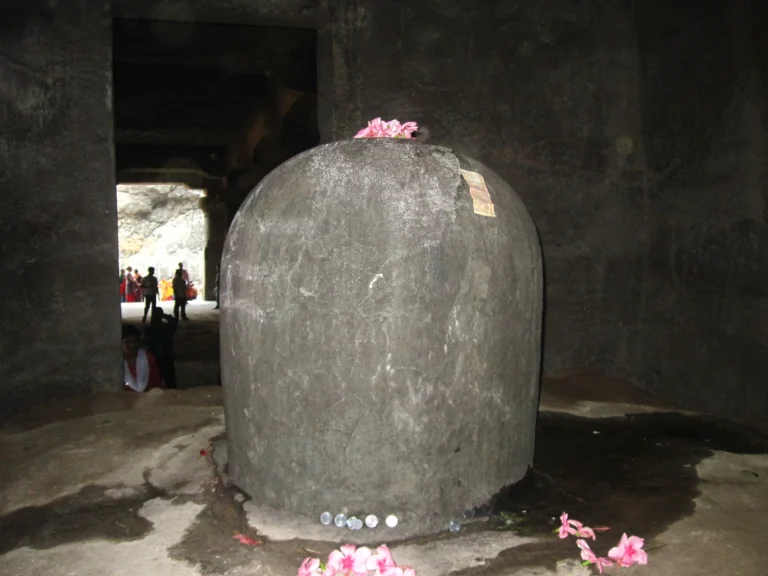
- Cave 1 (The Great Cave): This is where you will find the Trimurti and the main Shiva Lingam shrine.
- The Smaller Caves: While less preserved, Caves 2 through 5 offer a quieter look at the rock-cut structures.
- Cannon Hill: If you hike further up from the caves, you can see old British-era cannons and get a panoramic view of the Arabian Sea.
- The Monkeys: The island is full of macaque monkeys. While fun to watch, they are very clever—keep your food and shiny objects hidden!
9. Things to Do Near the Heritage Site
Since the caves are on an island, your “nearby” activities are mostly back on the mainland in South Mumbai:
- Gateway of India: Explore the monument where your journey began.
- Kala Ghoda Art Precinct: Visit the art galleries and cafes once you return to Colaba.
- Shopping: Browse the stalls at Colaba Causeway for unique souvenirs.
- Dining: Enjoy a meal at historic spots like Leopold Café or Bagdadi near the pier.
10. Cultural Importance & Visitor Experience
For many visitors, Elephanta in Mumbai is a spiritual experience. Despite being a major tourist spot, the silence inside the main cave feels ancient and sacred. It is a place where you can truly appreciate the patience and skill of the craftsmen who spent decades carving these stones by hand over a thousand years ago.
11. Safety Risks & Things to Be Careful About
- Dehydration: The climb and the humid island air can be exhausting.
- Monkeys: Do not feed the monkeys. They can be aggressive if they see food or plastic bags.
- Slippery Steps: During the rainy season or early morning, the stone steps can be quite slippery.
- The Last Ferry: Don’t miss the last ferry! There are no hotels on the island for overnight stays.
12. Safety Precautions
- Sun Protection: Wear a hat and use plenty of sunscreen.
- Authorized Ferries: Only buy tickets from the official counters at the Gateway of India.
- Stay on Paths: Stick to the designated tourist paths to avoid getting lost in the thick island vegetation.
13. Things to Carry Before Visiting
- Water and Snacks: There are stalls on the island, but it’s cheaper and safer to carry your own.
- Camera: Essential for capturing the Elephanta caves sculpture.
- Good Walking Shoes: You will be doing a lot of walking and climbing.
- Cash: Small vendors on the island often do not accept digital payments.
14. Travel Tips
- Photography Tip: Use a tripod if allowed, or find a steady spot to rest your camera. The caves are dark, so you will need a steady hand for clear photos.
- Shopping on the Island: The path up to the caves is lined with stalls selling stones and jewelry. Negotiate hard—the initial price is usually much higher than the actual value.
- Combine Your Trip: Spend your morning at Elephanta and your evening exploring the Victorian Gothic and Art Deco Ensembles of Mumbai.
Forget the hassle and choose CABTAN—Mumbai’s most punctual and affordable cab service. Our trained drivers ensure a safe, reliable, and completely worry-free journey. Fill out the form below to book your ride now.